Medical Surveillance for Skin Checks in Knottingley
Get in TouchAt Medical Surveillance for Skin Checks, we provide workplace monitoring in Knottingley WF11 9 to protect employees from occupational dermatitis and other work-related skin conditions.
Many industries in Knottingley expose workers to irritants and allergens such as cleaning agents, solvents, oils, cement, flour, or disinfectants.
Regular contact with these substances in Knottingley can damage the skin, leading to redness, rashes, itching, cracking, or blisters.
Under the Control of Substances Hazardous to Health (COSHH) Regulations 2002), employers in Knottingley must provide health surveillance for staff at risk. Our medical surveillance programmes ensure early detection, effective intervention, and full compliance.
Request a free quote for medical surveillance for skin checks in Knottingley today.
Why Is Medical Surveillance Important for Skin Health in Knottingley?
Occupational dermatitis in Knottingley is one of the most common workplace illnesses in the UK.
If left unmanaged, it can progress from mild irritation to chronic, painful conditions that may prevent employees from working.
Medical surveillance ensures early warning signs are detected before the condition becomes severe.
We help workers stay healthy, reduce absenteeism, and ensure employers meet their legal duties under COSHH in Knottingley.
What Does Medical Surveillance for Skin Checks in Knottingley Involve?
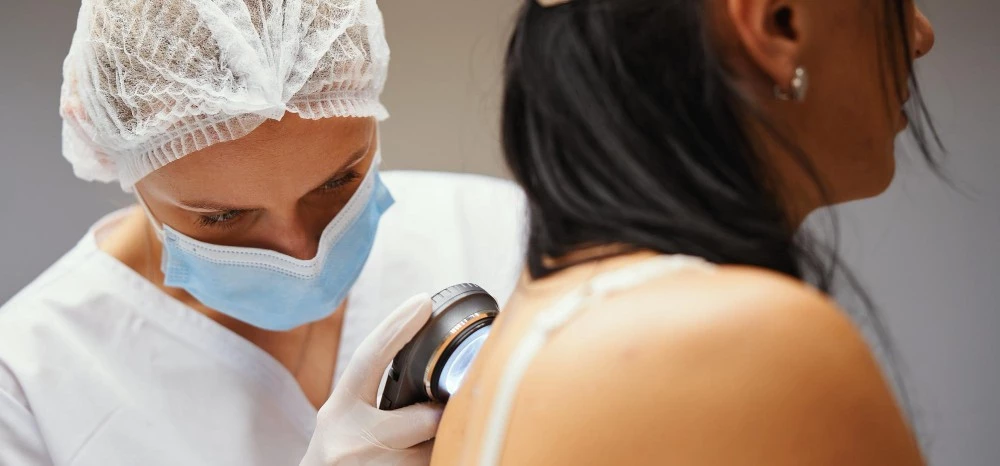
Medical surveillance includes a baseline skin assessment in Knottingley before an employee begins at-risk work, followed by routine inspections and questionnaires.
Technicians and occupational health professionals monitor for early signs of dermatitis, such as dryness, redness, or cracking.
If concerns are identified, the worker is referred for further medical review.
Alongside skin checks in Knottingley, advice is given on the correct use of gloves, barrier creams, and hand hygiene to reduce exposure risks.
How Often Should Skin Checks in Knottingley Be Carried Out?
The frequency of skin assessments in Knottingley depends on the level of exposure identified in the workplace risk assessment.
In higher-risk industries such as cleaning, hairdressing, healthcare, and construction, checks may be needed every 6 to 12 months.
For extremely high-risk roles, skin inspections in Knottingley may be more frequent.
A baseline check is always recommended before work begins, followed by regular reviews to track changes over time.
What Are the Benefits of Medical Surveillance for Skin Checks in Knottingley?
The key benefit of skin tests in Knottingley is that they identify early signs of dermatitis, protecting workers while ensuring employers comply with COSHH requirements.
Key benefits include:
Detects early signs of dermatitis before it becomes severe.
Helps employers comply with COSHH regulations.
Reduces sickness absence and long-term illness.
Provides reassurance to employees working with hazardous substances.
Demonstrates employer duty of care and reduces liability risks.
What Symptoms Are Monitored in Skin Health Surveillance in Knottingley?
Medical surveillance in Knottingley monitors for dryness, redness, swelling, rashes, cracks, or blisters on the skin.
Workers are also asked about itching, burning sensations, or worsening reactions after contact with certain substances.
Since dermatitis in Knottingley can become chronic if not treated early, recording even mild symptoms is important. Early escalation prevents long-term damage.
Is Medical Surveillance for Skin Checks in Knottingley a Legal Requirement?
Under COSHH, employers in Knottingley must provide skin health surveillance where employees are at risk of dermatitis or allergic reactions from hazardous substances.
Skin health surveillance in Knottingley applies to many sectors, including healthcare, food handling, construction, cleaning, and manufacturing. Surveillance records must be kept for at least 40 years, as some conditions may have long-term consequences.
What Is the Cost of Medical Surveillance for Skin Checks?
Technician-led skin checks in Knottingley and questionnaires may cost from £50 to £80 per employee.
More comprehensive programmes in Knottingley, including referrals or medical review,s can range from £100–£150+ per employee.
The cost depends on workforce size, risk level, and whether escalation to occupational health professionals is needed.
For larger teams, bespoke packages in Knottingley help reduce per-person costs.
The initial investment is small compared with the costs of absence, claims, or HSE enforcement in Knottingley.
What Happens If Dermatitis or Skin Damage in Knottingley Is Identified?
If a worker shows symptoms of dermatitis in Knottingley, they are referred to an occupational health nurse or physician for assessment.
Employers in Knottingley may need to adjust tasks, improve protective equipment, or review chemical controls.
The worker may also receive treatment or advice on managing the condition.
Acting promptly helps prevent worsening of symptoms in Knottingley and ensures the business remains compliant.
How Are Records from Skin Surveillance Managed?
Records of medical surveillance for skin checks in Knottingley must be stored securely and retained for at least 40 years.
They include baseline skin assessments in Knottingley, follow-up checks, questionnaires, and referrals.
These medical records in Knottingley are confidential but may be inspected by the Health and Safety Executive (HSE). ‘
Accurate record keeping demonstrates compliance and protects both employers and employees in the long term.
Which Industries Are Most at Risk of Occupational Dermatitis?
Industries with frequent exposure to wet work or hazardous substances are most at risk.
We include healthcare (frequent handwashing and disinfectants), hairdressing (dyes and shampoos), construction (cement and solvents), catering (food handling and cleaning agents), and mechanics (oils and greases).
In these settings, regular skin checks are essential to protect employees and comply with COSHH regulations in Knottingley.
Can Employees Refuse to Take Part in Skin Checks in Knottingley?
Employees are encouraged to take part because surveillance in Knottingley protects their health.
While participation should be voluntary, refusing may limit their ability to continue working with hazardous substances safely.
Employers must explain the purpose and importance of medical surveillance in Knottingley clearly.
Most workers engage once they understand it helps prevent painful, long-term conditions such as dermatitis.
How Can Employers Reduce the Risk of Skin Problems Alongside Surveillance in Knottingley?
Employers in Knottingley should implement preventative measures alongside surveillance.
We include providing high-quality gloves, barrier creams, and moisturisers, ensuring proper handwashing facilities, and training staff in safe handling practices.
Substituting hazardous substances for safer alternatives where possible also reduces risks.
When combined with medical surveillance in Knottingley, these steps provide maximum protection against dermatitis.
What Role Does Training Play in Preventing Skin Conditions in Knottingley?
Training in Knottingley is vital in reducing occupational dermatitis.
Employees must know how to use PPE correctly, when to apply protective creams, and how to wash their hands without causing irritation.
Training also teaches staff to recognise and report symptoms early.
By combining knowledge with regular checks in Knottingley, workplaces can significantly reduce the number of skin-related health problems.
How Does Medical Surveillance in Knottingley for Skin Checks Benefit Employers Financially?
Skin conditions such as dermatitis are a leading cause of workplace ill health and sickness absence.
Early detection through surveillance prevents minor issues from becoming chronic, reducing time off work.
Employers also avoid compensation claims, legal penalties, and HSE enforcement. In the long run, surveillance represents a small investment that saves significant costs while protecting staff wellbeing.
Get a Free Quote for Skin Assessments in Knottingley
At Medical Surveillance for Skin Checks in Knottingley WF11 9, we deliver reliable and compliant services that protect workers from occupational dermatitis and support employers in meeting their legal duties.
Our surveillance programmes detect problems early, reduce risks, and keep accurate records.
By investing in skin health monitoring in Knottingley, employers can protect staff wellbeing, reduce costs, and create safer workplaces.
Contact Medical Surveillance for Skin Checks in Knottingley today to arrange a tailored health surveillance programme for your organisation.
We cover Knottingley (West Yorkshire)