Medical Surveillance for Dermatitis
Get in TouchAt Medical Surveillance for Dermatitis, we provide tailored workplace monitoring programmes to protect employees from occupational skin conditions.
Dermatitis is one of the most common occupational diseases in the UK, often caused by repeated contact with cleaning agents, solvents, oils, cement, or food ingredients.
Under the Control of Substances Hazardous to Health (COSHH) Regulations 2002), employers are legally required to provide health surveillance for staff at risk.
Request a free quote for dermatitis assessment services for early detection, accurate record keeping, and compliance with HSE.
Why Is Medical Surveillance for Dermatitis Important?
Occupational dermatitis can start with minor redness or itching but may quickly develop into painful cracks, rashes, or blisters.
If left untreated, it can become chronic and even prevent employees from continuing in their jobs.
Medical surveillance ensures early detection of symptoms and protects staff from long-term skin damage.
For employers, it helps demonstrate compliance with COSHH and reduces liability.
What Does Medical Surveillance for Dermatitis Involve?
Surveillance programmes begin with a baseline skin check before employees start work with hazardous substances.
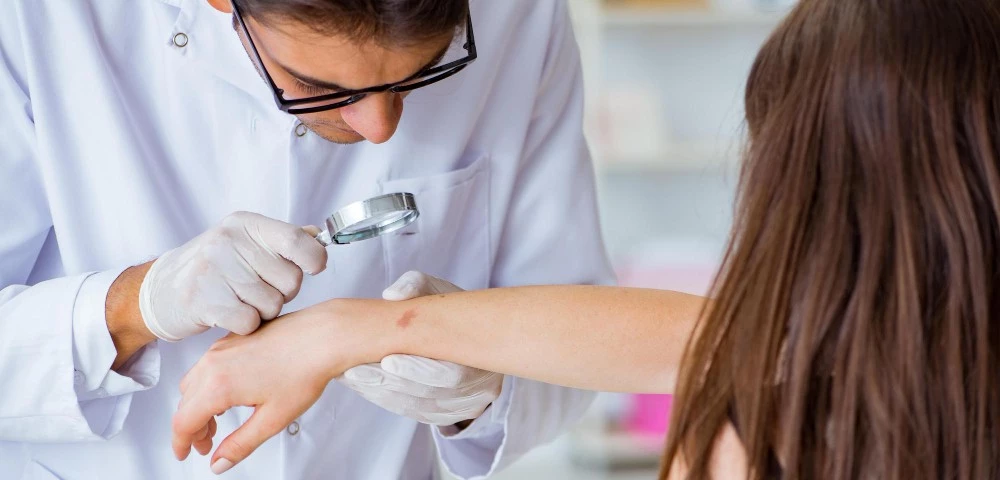
Routine monitoring then includes skin inspections, health questionnaires, and symptom reviews.
Medical surveillance technicians record findings confidentially and refer workers to an occupational health professional if concerns are identified.
Alongside checks, advice on the correct use of gloves, barrier creams, and hygiene practices is provided to reduce risks.
How Often Should Dermatitis Health Checks Be Conducted?
The frequency depends on the risk level identified in the workplace.
In high-risk industries such as construction, healthcare, cleaning, and catering, skin checks are typically carried out every 6 to 12 months.
Extremely high-risk roles may require more frequent monitoring.
A baseline dermatitis assessment is always recommended before employees begin exposure.
What Are the Benefits of Medical Surveillance for Dermatitis?
The key benefit of dermatitis testing is that it detects skin problems early, protecting workers while ensuring employers comply with COSHH regulations.
Key benefits include:
Detects early signs of dermatitis before conditions worsen.
Helps employers comply with COSHH regulations.
Reduces sickness absence and costly compensation claims.
Provides reassurance for staff in high-risk roles.
Demonstrates employer duty of care and supports HSE compliance.
What Symptoms Are Monitored in Dermatitis Surveillance?
Dermatitis checks focus on redness, dryness, rashes, cracks, itching, and blisters, particularly on hands and forearms.
Workers are also asked about discomfort, sensitivity to certain substances, or worsening symptoms during work.
Since dermatitis can become chronic, even mild signs are recorded and escalated if needed.
Is Medical Surveillance for Dermatitis [in location] a Legal Requirement?
Under COSHH, employers must provide medical surveillance where employees are exposed to substances known to cause skin conditions.
Legal requirements for dermatitis testing apply to healthcare, food handling, construction, cleaning, and many other industries.
Employers are legally required to keep records for at least 40 years, as occupational illnesses can have long-term effects.
What Is the Cost of Medical Surveillance for Dermatitis?
The cost of medical surveillance for dermatitis ranges from £50 to £150+ per employee.
Technician-led skin inspections and questionnaires typically cost from £50–£80 per employee.
More detailed programmes with occupational health referrals range from £100–£150+ per employee.
Larger organisations can reduce per-person costs through tailored surveillance packages.
The cost depends on workforce size and level of risk.
Compared with the costs of absence, HSE fines, or legal claims, this is a cost-effective investment.
What Happens If Symptoms of Dermatitis Are Found?
If symptoms are identified during surveillance, the employee is referred to an occupational health nurse or physician for further investigation.
Employers may need to review PPE, adjust workplace practices, or temporarily reassign duties.
Prompt action prevents the condition from worsening and ensures compliance with medical advice.
How are Dermatitis Surveillance Records Managed?
Dermatitis surveillance records must be stored securely and kept for at least 40 years.
They include baseline assessments, symptom reviews, and medical referrals.
While records are confidential, they must be available for inspection by the Health and Safety Executive (HSE).
Our long-term medical record keeping protects both employees and employers.
Which Industries Are Most at Risk of Occupational Dermatitis?
Industries at risk of dermatitis are healthcare, food handling, construction, manufacturing, cleaning, and hairdressing.
Workers in these fields are often exposed to soaps, disinfectants, oils, cement, resins, or solvents that irritate or sensitise the skin.
Employers with staff in these sectors must implement medical surveillance programmes to detect early signs of dermatitis and maintain compliance with COSHH.
Can Medical Surveillance for Dermatitis Prevent Long-Term Absence?
Regular skin checks identify early signs of dermatitis before they become chronic and disabling.
Employees can then be treated quickly and given adjustments such as improved PPE or task changes.
Regular dermatitis testing reduces the likelihood of prolonged absence from work and the associated costs for employers.
Early action also reassures staff that their health and wellbeing are prioritised.
How Does Surveillance for Dermatitis Support COSHH Compliance?
COSHH requires employers to assess risks, control exposures, and monitor the health of workers where skin hazards are present.
Medical surveillance provides documented evidence of compliance, including records of checks, assessments, and referrals.
Our process protects businesses from enforcement action by the Health and Safety Executive (HSE) and demonstrates a proactive duty of care.
Request a Free Quote for Dermatitis Assessments
At Medical Surveillance for Dermatitis, we provide compliant, professional services to protect employees and support employers in meeting legal obligations.
Our programmes detect symptoms early, improve workplace safety, and reduce liability risks.
Contact Medical Surveillance for Dermatitis today to arrange a tailored health surveillance programme for your organisation.